What Causes Insomnia? 12 Common Triggers in the UK
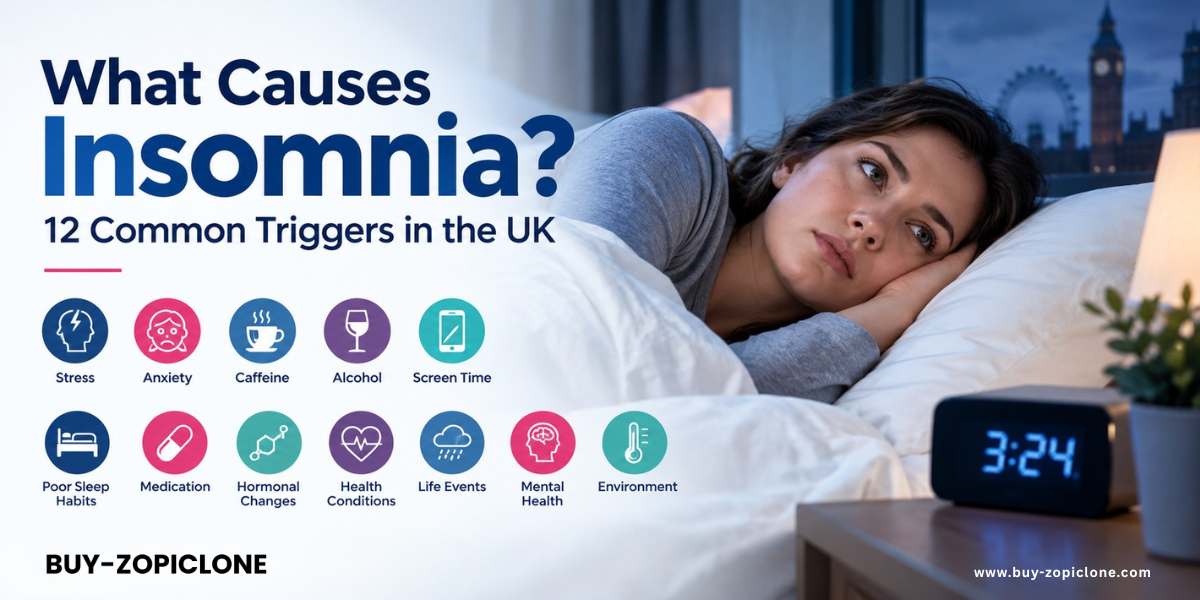
What Is Insomnia?
Insomnia is a sleep problem that can involve difficulty getting to sleep, staying asleep, or returning to sleep after waking. It can also mean waking earlier than intended and feeling unrefreshed despite having enough opportunity to sleep.
A poor night now and then is common. Insomnia becomes more concerning when it happens regularly, affects daytime concentration or mood, and starts interfering with work, driving, relationships, or everyday activities.
1. Stress, Worry and a Busy Mind
Stress is one of the most common reasons people struggle to sleep. Work deadlines, family responsibilities, financial concerns, caring duties, health worries, and major life changes can all leave the mind active at bedtime.
When you are worried, your body may remain in a heightened state of alertness. Your thoughts can race, your heart rate may feel elevated, and even small noises can seem more disruptive. This makes it harder to relax into sleep.
A practical starting point is to create a short wind-down period before bed. Try writing down tomorrow's tasks, setting aside work messages, and doing a calming activity such as reading, breathing exercises, or a warm bath.
2. Anxiety and Depression
Anxiety and low mood are closely linked with insomnia. Anxiety can make it difficult to stop analysing events, anticipating problems, or monitoring whether you are falling asleep. Depression may cause early-morning waking, sleeping more than usual, or fragmented sleep.
The relationship can work in both directions: poor sleep can worsen mood, while difficult mental health symptoms can make sleep harder. If anxious thoughts, panic symptoms, persistent low mood, or loss of interest are affecting your life, consider speaking with a GP or mental-health professional.
3. Inconsistent Sleep Times
Your body clock works best with a reasonably consistent routine. Going to bed very late at weekends, sleeping in for hours after a poor night, or changing your waking time every day can make it harder for your internal clock to predict when sleep should happen.
This does not mean you need a perfect bedtime. Instead, aim for a broadly consistent wake-up time, including on days off. Daylight exposure in the morning and limiting long late-afternoon naps can also support a more stable routine.
4. Phones, Tablets and Late-Night Screen Use
Using a phone in bed is a common habit, but it can delay sleep for several reasons. Bright light in the evening may signal wakefulness to the brain, while notifications, scrolling, video content, and social media can increase emotional or mental stimulation.
The content matters too. A stressful email, news alert, online argument, or fast-paced programme can leave you more alert than you realise.
Try creating a screen boundary before bed. Put your phone on charge outside the bedroom if possible, switch off non-essential notifications, or choose a low-stimulation alternative such as an audiobook, printed book, or gentle music.
5. Caffeine, Nicotine and Energy Drinks
Caffeine is a stimulant found in coffee, tea, cola, energy drinks, pre-workout products, and some medicines. It can remain in the body for several hours, so an afternoon coffee may still affect sleep later that night.
Nicotine is also stimulating. Smoking, vaping, or using nicotine products close to bedtime can make falling asleep more difficult and may contribute to lighter sleep.
If you think caffeine is affecting you, reduce intake gradually and avoid caffeinated drinks later in the day. Individual sensitivity varies, so tracking your consumption alongside sleep quality for two weeks can be useful.
6. Alcohol Before Bed
Alcohol can make some people feel drowsy initially, but it does not usually improve restorative sleep. As alcohol is processed overnight, sleep can become lighter and more broken. You may wake during the night, wake early, sweat more, feel thirsty, or need the toilet.
Alcohol may also worsen snoring and breathing-related sleep problems. If you use alcohol to unwind, try moving it earlier in the evening, reducing the amount, and building a separate relaxing routine that does not rely on a drink.
7. Pain and Long-Term Health Conditions
Persistent pain is a major sleep disruptor. Back pain, arthritis, migraine, nerve pain, injury-related discomfort, and menstrual pain can make it difficult to find a comfortable position or stay asleep.
Other conditions may interrupt sleep through breathlessness, coughing, reflux, frequent urination, itching, or night sweats. Examples include asthma, chronic obstructive pulmonary disease, gastro-oesophageal reflux disease, diabetes, eczema, and bladder conditions.
Do not assume pain-related insomnia is something you simply have to tolerate. A GP, pharmacist, physiotherapist, or relevant specialist may be able to review treatment, timing of medication, supportive bedding, or pain-management approaches.
8. Medication Side Effects
Some medicines can interfere with sleep, particularly if taken later in the day. Possible examples include certain steroid medicines, decongestants, stimulants, thyroid treatments, some antidepressants, and some treatments for blood pressure or breathing conditions.
Never stop prescribed medicine without medical advice. If you notice insomnia after starting, changing, or increasing a medicine, speak to your GP or pharmacist. In some cases, adjusting the dose timing or considering an alternative may help.
9. Hormonal Changes
Hormonal changes can affect body temperature, mood, energy levels, and sleep. During perimenopause and menopause, hot flushes, night sweats, anxiety, and changes in mood may cause repeated waking. Pregnancy can also bring discomfort, reflux, frequent urination, and restless sleep.
Thyroid problems may affect sleep as well. An overactive thyroid can cause restlessness, palpitations, sweating, and difficulty sleeping, while other hormone-related changes can contribute to fatigue and disrupted rest.
If sleep changes occur alongside hot flushes, irregular periods, unexplained weight changes, palpitations, or persistent fatigue, arrange a conversation with your GP.
10. Noise, Light and an Uncomfortable Bedroom
Your sleep environment can either support rest or repeatedly disrupt it. Common UK sleep disturbances include traffic noise, neighbours, household activity, partner snoring, bright streetlights, and bedrooms that are too warm or too cold.
Small changes may help:
- Use blackout blinds, an eye mask, or dimmer lighting before bed
- Try earplugs or steady background sound if noise is unavoidable
- Keep the bedroom comfortably cool and well ventilated
- Check whether your pillow, mattress, or bedding is causing pain or overheating
- Keep the bedroom mainly for sleep and intimacy rather than work or stressful tasks
A quieter, darker, more comfortable bedroom will not solve every type of insomnia, but it can reduce avoidable disruptions.
11. Shift Work, Night Work and Jet Lag
Shift work can conflict with the body's natural circadian rhythm. Nurses, doctors, warehouse staff, hospitality workers, emergency-service employees, drivers, and people with rotating schedules may have to sleep when their body expects to be awake.
Rotating shifts are often particularly difficult because the sleep period changes repeatedly. Frequent travel across time zones can have a similar effect, producing jet lag, daytime fatigue, and difficulty sleeping at the desired local time.
If you work shifts, protect your sleep window as much as possible. Use blackout curtains, communicate your sleep hours to people at home, limit caffeine close to intended bedtime, and seek occupational-health or GP advice if fatigue affects safety.
12. Sleep Apnoea, Restless Legs and Other Sleep Disorders
Sometimes insomnia-like symptoms are caused by another sleep condition. Obstructive sleep apnoea can involve loud snoring, breathing pauses, gasping, frequent waking, morning headaches, and severe daytime sleepiness. Restless legs syndrome may create an uncomfortable urge to move the legs, especially when resting in the evening.
These problems require different assessment and treatment from ordinary sleep-hygiene advice. Speak to a GP if you snore loudly, stop breathing during sleep, wake gasping, have uncontrollable sleepiness, or experience persistent leg discomfort at night.
How to Identify Your Personal Trigger
A sleep diary can reveal patterns that are easy to miss. For at least one to two weeks, record:
- Your bedtime and wake-up time
- How long you think it took to fall asleep
- Night-time awakenings and possible reasons
- Caffeine, alcohol, nicotine, and exercise timing
- Screens used in the evening
- Stress levels, mood, pain, and medication changes
- Naps and their duration
Look for consistent links rather than blaming one difficult night. For example, you may notice that late coffee, Sunday-night work anxiety, alcohol, a warm bedroom, or irregular lie-ins are associated with worse sleep.
When Should You Speak to a GP?
Contact your GP if poor sleep is lasting for weeks, significantly affecting daily life, or occurring with symptoms that may need assessment. Seek help sooner if you have severe low mood, anxiety, breathing pauses during sleep, chest symptoms, persistent pain, or safety concerns caused by tiredness.
A GP can consider physical and mental-health causes, review medicines, and discuss suitable support. Cognitive behavioural therapy for insomnia (CBT-I) is commonly used to address the thoughts and behaviours that maintain long-term insomnia.
Frequently Asked Questions
Stress, anxiety, and an overactive mind are among the most common causes. However, insomnia often has several overlapping triggers, such as stress combined with late-night screen use, caffeine, pain, or irregular sleep hours.
Phone use can contribute to insomnia, particularly when it delays bedtime or exposes you to stimulating content, alerts, bright light, or stressful information. Reducing screen use before bed may help some people fall asleep more easily.
Yes. Alcohol may make you sleepy at first, but it can lead to lighter, more fragmented sleep later in the night and may worsen snoring or breathing-related sleep problems.
Repeated early waking can be linked to stress, anxiety, depression, alcohol, noise, temperature, pain, hormonal changes, or medical conditions. A sleep diary and a GP consultation can help identify the underlying pattern.
Sleep problems are common during perimenopause and menopause because hot flushes, night sweats, mood changes, and hormonal shifts can disturb sleep. A GP can discuss treatment and lifestyle options.
Avoid clock-watching, late caffeine, nicotine near bedtime, alcohol as a sleep aid, long daytime naps, and stimulating screen content in bed. If you cannot sleep, a calm low-light activity away from bed may be more helpful than forcing sleep.
Please log in to add a comment.


Dr. Kelly
Introduce yourself to Dr. Kelly, a distinguished figure in the medical profession. The passion for healthcare and the invaluable knowledge of Dr. Kelly, despite his retirement from active clinical practice, remain as vibrant as ever. He now focuses his extensive 20-year medical experience on our pharmacy's blog, thereby supporting our mission to educate and empower our valued customers.
.svg)
Delivered in secure, plain packaging on fully tracked delivery from just £10.

Our team of doctors and pharmacists, and our support staff, are all UK-based.
.svg)
Have a question? Telephone support is always free; Monday - Friday, 9am - 5pm.
Comments........!